

 English

Health Conditions and Body Systems
5 min read
The Impact of Stress and Anxiety on Digestion
The Impact of Stress and Anxiety on Digestion
From Thanksgiving stuffing to holiday cookies and everything in between, the holidays can be a time that is filled with good company, joy, and an abundance of food. While indulging is part of the joy that comes with the holidays, all the rich meals, late nights, and extra treats can place added stress on the digestive system.
The combination of these factors can overload your digestive system. This can leave you feeling extra tired, bloated, and generally unwell. When your gut isn’t balanced, it can also impact your mood and energy levels thanks to the gut-brain axis; that’s the bidirectional communication between the central nervous system and the gut.
Eating regular meals (breakfast, lunch, and dinner) can help stabilize your blood sugar levels, providing your body with steady energy to tackle the holiday season.
Tip: Do NOT skip meals because you have events later in the day. Skipping meals can lead to overeating and often leads to intensified cravings for carbs and sweet foods.
Aim for a mix of protein, healthy fats, and fibre (complex carbs and veggies) at each meal. The combination of these foods will:
Water helps to break down food and moves things along your digestive tract. Aim for at least 1.5–2 L of water each day. Herbal teas can be part of your total fluid intake (more on herbal teas on page 25).
Tip: Start your day with 1–2 cups of water, before coffee or food.
Try to slow down, chew your food thoroughly, and eat with minimal distractions. If this isn’t possible for the entire meal (because it often isn’t), try to be mindful for even a few bites. Chewing well activates digestive enzymes in your saliva and works to help support digestion.
Regular activity can reduce stress, improve digestion, and keep your bowel movements regular. After lunch and dinner, walks are a great way to kickstart digestion.

Stress can slow digestion and lead to gut symptoms like bloating, cramping, constipation, or other changes in bowel movements. Although the holidays can be a joyful time, they can also be quite stressful. It’s important to take time to support your mental wellbeing this holiday season; doing this will also support your digestive health, thanks again to our gut-brain axis. Try any of these:
Firstly, don’t worry, we’ve all been there! The holiday season is full of opportunities to overindulge. If your digestive system feels off-balance, here are some simple things you can do to support your digestion.
Restricting meals the next day can lead to more cravings. Instead focus on going back to your usual eating routine, focus on adding fibre to your meals, and keeping hydrated.
Light activity like walking, stretching, or yoga can help improve digestion, boost your mood, and reduce bloating. Something as simple as a 10-minute walk can make a big difference and leave you feeling a lot better.
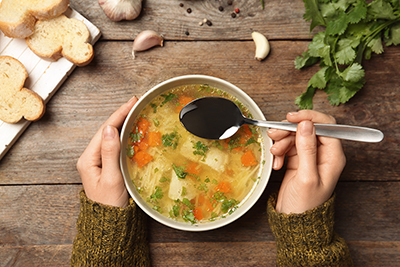
After a larger indulgent meal, try these foods:
Your liver may be working overtime during the holiday season since you are likely exposed to more alcohol, sugar, and processed foods. You can support your liver’s natural ability to detox by eating cruciferous vegetables like broccoli, cauliflower, Brussels sprouts, beets, and turmeric. Don’t forget to drink lemon water and green tea.
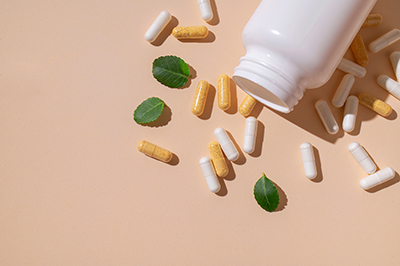
Probiotics can help with bloating, irregular bowel movements, postantibiotic use, and overall immune system support. They help replenish beneficial bacteria in the gut and support a balanced gut microbiota. The holidays are a time where your gut microbiota may be off-balance because of the increased stress, sugar, and alcohol. If you don’t already consume sufficient amounts of probiotic-rich foods—like yogurt, kefir, sauerkraut, kombucha, or kimchi—a probiotic supplement is your ideal option.
Magnesium can be helpful for relieving constipation, tension, and digestive issues related to stress. It supports muscle relaxation, which can help reduce the burden on your nervous system and keep things moving along in your bowels.
Magnesium citrate may cause loose stools, so introduce it slowly, ideally in the evening when you are home. Do not exceed 200–400 mg.
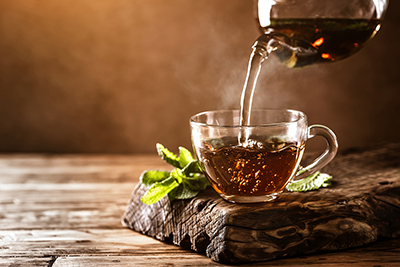
Tea | How it helps |
Peppermint | Calms intestinal spasms |
Helpful for bloating and gas | |
Avoid if you have reflux | |
Ginger | Warms and soothes |
Helpful for bloating, nausea, and sluggish digestion | |
Fennel | A great option for gas and reducing postmeal bloating |
Chamomile | Gentle and calming |
Helpful for mild bloating and stress-related digestive issues | |
Lemonbalm or tulsi | Works to calm the nervous system (think gut-brain connection) |
May help soothe some mild indigestion that is related to stress |
It’s normal to indulge during the holiday season, but I encourage you to take time to practice mindfulness, to realize how certain habits and meals affected your gut, and how you felt afterwards. Over the holidays, continue to prioritize hydration, movement, balanced meals, and stress management. This will help keep your digestive system resilient during this busy and joyful time of year. Remember: it’s not about getting this all perfect, it’s about tuning in and listening to your body, giving yourself some grace, and supporting your body so that you can feel good and truly enjoy this holiday season.

Angela Wallace, BSc, MSc, RDN
Angela is a registered dietitian, family food expert, and personal trainer with a passion for helping women and kids thrive through better nutrition. She specializes in weight management and digestive health.
eatrightfeelright.ca
The Impact of Stress and Anxiety on Digestion

Would it surprise you to know that the human colon contains about 3.3 lb of bacteria?[1] This microbiota is practically its own organ, acting as an entire ecosy...

Antibiotics have been life-saving miracle drugs of the 20th century. However, the problem of antibiotic-resistant superbugs and microbiome disruption has posed...