We don’t always realize the importance or benefits of some things until they are gone. That can be true of estrogen, a hormone whose levels decline in perimenopause and menopause and have a significant impact on digestive health. In fact, this hormone has been associated with a wide range of digestive-health issues such as bloating and gas, abdominal pain, heartburn, constipation, acid reflux, inflammatory bowel disease, and more. Progesterone also has a role in digestive health.
Hormones and Digestive Health in Menopause
Estrogen is known to have a promotility effect on the gastrointestinal tract. As levels of estrogen and progesterone decrease in perimenopause and menopause, it can take longer for food to travel through the gastrointestinal system, which can result in digestive issues such as gas, bloating, abdominal pain, and constipation.
Estrogen also has a calming effect on the body, potentially tempering the release of cortisol in stressful situations. When estrogen levels decrease, women might encounter elevated cortisol levels, leading to heightened stress and reduced stress-coping abilities. This reaction arises from the close interconnection between the gastrointestinal system and the brain, also known as the gut-brain connection or gut-brain axis. As cortisol levels rise, they can impact the digestive system by reducing stomach acid, thus slowing the movement of digested food into the small intestine, resulting in gas, bloating, and constipation.
Fluctuations in estrogen and progesterone levels also influence the secretion of bile, a fluid produced and released by the liver and stored in the gallbladder. Estrogen also influences the tone of the gallbladder and its ability to contract, potentially affecting the storage and release of bile. Bile and bile salts perform several essential functions for the digestive system:
- Help to break down fats into fatty acids
- Involved in the absorption of fat and fat-soluble vitamins
- Assist in removing excess cholesterol and detoxifying byproducts from the liver, which are expelled through the intestines
- Stimulate bowel movement
Bile’s alkaline properties counteract the acidity of stomach contents, creating an environment that is conducive for the digestive enzymes to do their work in the small intestine.
 Natural Management of Digestive Health in Menopause
Women can turn to several foods and natural supplements to help improve digestion and digestive health in menopause.
Prebiotics
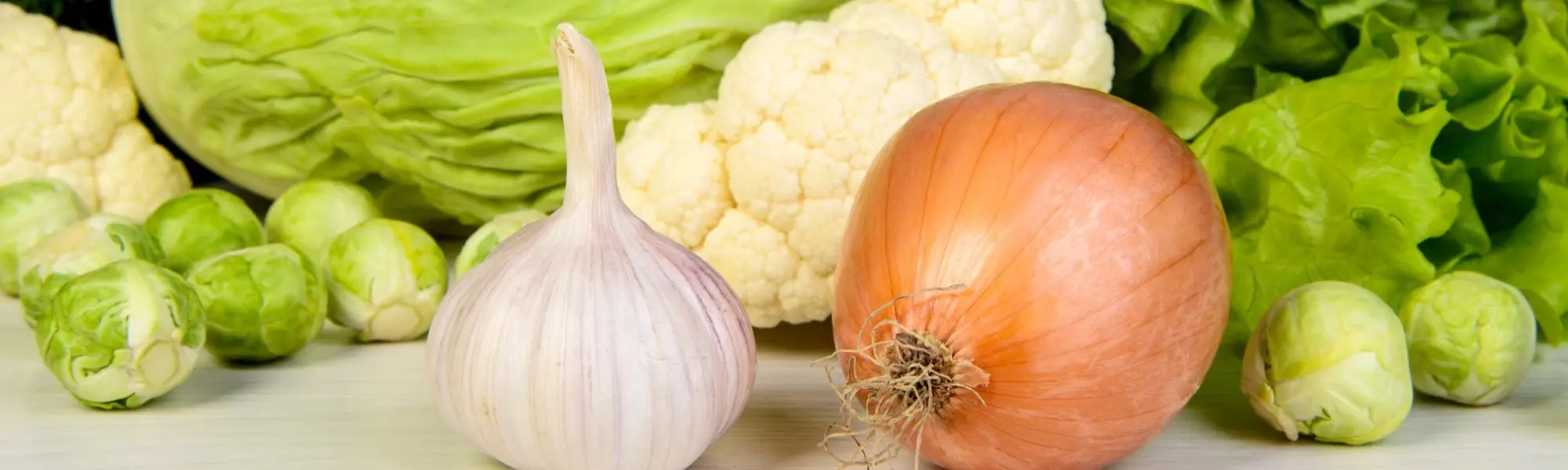
These unique plant fibres, classified as carbohydrates, nourish beneficial gut bacteria, aiding digestion. Prebiotics are found in many fruits, vegetables, and whole grains, including apples, asparagus, bananas, barley, berries, cocoa, flaxseed, garlic, green vegetables, legumes, onions, and tomatoes. They are also available as supplements.
Probiotics
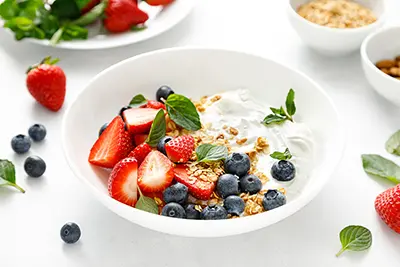
Commonly referred to as “friendly” or “helpful” bacteria, probiotics are primarily bacteria and some live yeasts that aid in digestion. These beneficial microorganisms can be sourced from certain foods like yogurt, kefir, some cheeses, miso, sauerkraut, and kimchi. They are also available in supplement form. If opting for probiotic supplements, allow several weeks for potential digestion improvements to become noticeable. Prioritize refrigerated brands featuring an enteric coating, ensuring the beneficial bacteria reach the gut for optimal proliferation.
Enzymes
Digestive enzymes are proteins responsible for breaking down the food you eat. The digestion journey begins in your mouth, with salivary enzymes initiating this process. These digestive enzymes are produced in the stomach, small intestine, and pancreas, with the pancreas housing key enzymes. Notably, amylase disintegrates complex carbohydrates, protease tackles proteins, and lipase targets fats. In addition, the small intestine produces lactase for lactose breakdown and sucrase for sucrose digestion. Look for digestive-enzyme supplements that contain one or more of the mentioned enzymes.
Herbs
Although the body naturally produces enzymes, bile, and acid to aid digestion, extra support, especially during menopause, can be beneficial. Several herbs are known for their digestive help, including artichoke, which stimulates bile; dandelion root and leaves, which promote digestion; ginger has anti-inflammatory powers and is a natural heartburn remedy; slippery elm has calming qualities, eases indigestion, and neutralizes acidity; milk thistle contains silymarin, which neutralizes toxins and relieves indigestion; and peppermint also relieves indigestion as well as bloating, cramps, and spasms.
Magnesium
Digestion is supported by magnesium in several ways. It helps muscle function in the digestive tract, activates certain enzymes for nutrient breakdown, regulates stomach acid, relieves constipation, and promotes nerve communication which impacts digestion. Add foods rich in magnesium such as leafy greens, avocados, bananas, salmon, pumpkin and chia seeds, sweet potatoes, whole grains, figs, and magnesium supplements to improve digestion.
Other Digestion Tips
Here are a few other tips to improve your digestive experience.
- Chew your food thoroughly. Remember: Chewing and the introduction of digestive enzymes in your mouth mark the first step in the digestive process, so make it count! Chew food particles until they are nearly liquid.
- Eat slowly. Put your spoon or fork down after each bite. Savour your food. Eating in a hurry can trigger a stress cascade that can result in indigestion, gas, and bloating.
- Stop before you feel full. If you practice the former two tips, you will begin to feel satisfied in a more gradual way, which will allow you to stop eating before you are full. This will help the digestive process and overall health.
- Allow for healthy digestion. A short, moderate walk after eating can aid digestion and reduce the risk of constipation. Do not lie down after eating.
Experience relief from bothersome symptoms like heartburn, gas, indigestion, and bloating, which are common among women during perimenopause and menopause, by exploring these naturals remedies and suggestions. Always consult your health-care practitioner if symptoms persist or become chronic.
 Annick Moffatt, ND
With more than 20 years of experience in the health domain, first in psychology, then as a naturopathic doctor, she brings a holistic approach to health problems.
Sources
Abrahams, M., R. O’Grady, and J. Prawitt. “Effect of a daily collagen peptide supplement on digestive symptoms in healthy women: 2-phase mixed methods study.” JMIR Formative Research, Vol. 6, No. 5 (2022): e36339.
Grove, M. “The 11 best ways to improve your digestion naturally.” Healthline, https://www.healthline.com/nutrition/ways-to-improve-digestion · 2023-03-13.
Kumar, K. “What is the function of bile?” Medicine Net, https://www.medicinenet.com/what_is_the_function_of_bile/article.htm


 English