Summer’s over and we all know what that means: It is back to work and back to school. But, more importantly, it’s the beginning of cold-and-flu season.
Each year in Canada, beginning in late fall and winter when the temperature drops, roughly 5 to 10 percent of adults and 20 to 30 percent of children are infected with influenza.1, 2 Influenza is estimated to account for roughly 12,200 hospitalizations and 3,500 deaths annually, making it a leading cause of death for Canadians.2 In addition to the health burden posed by influenza during this time of year, the average Canadian adult experiences between 2 and 5 colds per year, making colds a leading reason for missed workdays.2, 3
It is evident, from the statistics, that influenza and cold viruses have a major impact on the health and wellbeing of Canadians. While a large proportion of Canadians, both young and old, are affected by colds and flu, some Canadians are more at risk of illness than others.
Who Is Most at Risk?
While everyone is susceptible to colds and flu, certain factors increase one’s vulnerability for infection. Those at higher risk include children under 5 years old and adults over 65 years old, individuals exposed to air pollution or cigarette smoke, and those with lifestyle factors such as insufficient sleep, lack of exercise, excess stress, and poor nutrition. Lastly, people with preexisting medical conditions such as an autoimmune disease, diabetes, obesity, or pulmonary and cardiovascular disease have a greater risk of becoming sick with a cold or the flu.2, 4
Given how often colds and influenza affect Canadians and the many factors that can increase the risk of infection, naturopathic doctors are well-positioned to assist. Their focus on holistic health allows them to identify and address underlying vulnerabilities and risk factors, helping Canadians not only prevent these illnesses, but also alleviate symptoms during cold-and-flu season.
The Power of Prevention
As many of us know, prevention is of paramount importance in avoiding illness from a cold or the flu. Focusing on the foundations of good health helps keep the body equipped to defend itself against the microbes that may come its way.
Good hygiene, including regularly washing your hands, is among the most important tools in reducing exposure to the viruses responsible for the common cold and influenza. Proper nutrition—which entails eating more whole foods; cooking with more garlic, onions, herbs, and spices; and reducing or avoiding sugar, fast food, and alcohol—also helps to support your body’s immune system. Additionally, getting 7–9 hours of sleep, exercising regularly, and incorporating relaxation practice are equally essential year-round for maintaining a healthy immune system.
But, beyond the basics of cold and flu prevention, supplements can play an important role in reducing one’s risk of developing cold and flu symptoms and can help speed up recovery.
Supplements to Consider
Supplements that support healthy immune-system function are primarily formulated to offer a degree of prevention while also helping to minimize the intensity of symptoms. Many of these supplements are backed by clinical research that demonstrate their ability to strengthen your body’s general immune response. Here are a few of my favourites:
Vitamin C has been a go‑to supplement for immune support for decades. As an antioxidant, vitamin C plays an important role in the growth and function of immune cells and helps support the integrity of key immune barriers, such as the skin.5 There is evidence that high doses of vitamin C, taken consistently, are associated with a decreased duration of colds as well as a reduction in symptom intensity.6
Vitamin D is involved in many cellular processes, including the regulation of immune cells during infections,7, 8 and as such, it’s unsurprising that a deficiency can leave us vulnerable to viral infection. In fact, epidemiological studies show an association between low vitamin D levels and a greater risk of upper respiratory infection.9, 10 A systematic review and meta-analysis of data from randomized controlled trials found that taking vitamin D could help prevent upper respiratory tract infections.11
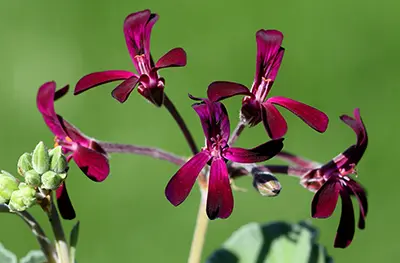 South African geranium (Pelargonium sidoides) contains tannins that can help prevent bacteria from attaching to the lining of the throat and lungs. These tannins may be the reason for the growing evidence that Pelargonium sidoides may reduce the duration and severity of colds.12, 13 In addition to its antibacterial activity, Pelargonium sidoides has demonstrated dose-dependent antiviral activity against influenza.14
Elderberry is rich in antioxidants that support your immune system and may help reduce the symptoms of a cold or the flu.15
Zinc is an essential mineral that plays a role in hundreds of metabolic processes including supporting the function of antioxidant enzymes. It has been shown to reduce the duration of the common cold. Zinc lozenges, in particular, can reduce virus replication at the nasal epithelium and can reduce both the duration and intensity of cold symptoms.16, 17
For more information on how to support yourself and your family through this year’s cold-and-flu season and what dosages are right for you, contact your local naturopathic doctor for a tailored approach to supporting your immune system.
References
- [No authors listed.] “Influenza (flu) fact sheet.” Toronto Public Health. https://www.toronto.ca/community-people/health-wellness-care/diseases-medications-vaccines/influenza-flu-fact-sheet/. 2024.
- [No authors listed.] “Flu (influenza for health professionals).” Government of Canada. https://www.canada.ca/en/public-health/services/diseases/flu-influenza/health-professionals.html. Updated 2024‑01‑25.
- [No authors listed.] “Diseases, disorders and injuries.” Canadian Centre for Occupational Health and Safety. https://www.ccohs.ca/oshanswers/diseases/common_cold.html. Updated 2024‑05‑30.
- [No authors listed.] “About influenza.” CDC. https://www.cdc.gov/flu/about/. 2024‑08‑13.
- Carr, A.C., and S. Maggini. “Vitamin C and immune function.” Nutrients, Vol. 9, No. 11 (2017): 1211.
- Hemilä, H., and E. Chalker. “Vitamin C for preventing and treating the common cold.” The Cochrane Database of Systematic Reviews, Vol. 2013, No. 1 (2013): CD000980.
- Brockman‑Schneider, R.A., R.J. Pickles, and J.E. Gern. “Effects of vitamin D on airway epithelial cell morphology and rhinovirus replication.” PLoS One, Vol. 9, No. 1 (2014): e86755.
- Telcian, A.G., M.T. Zdrenghea, M.R. Edwards, V. Laza‑Stanca, P. Mallia, S.L. Johnston, and L.A. Stanciu. “Vitamin D increases the antiviral activity of bronchial epithelial cells in vitro.” Antiviral Research, Vol. 137 (2017): 93–101.
- Berry, D.J., K. Hesketh, C. Power, and E. Hyppönen. “Vitamin D status has a linear association with seasonal infections and lung function in British adults.” The British Journal of Nutrition, Vol. 106, No. 9 (2011): 1433–1440.
- Rafiq, R., W. Thijs, R. Prein, R.T. de Jongh, C. Taube, P.S. Hiemstra, R. de Mutsert, and M. den Heijer. “Associations of serum 25(OH)D concentrations with lung function, airway inflammation and common cold in the general population.” Nutrients, Vol. 10, No. 1 (2018): 35.
- Martineau, A.R., D.A. Jolliffe, R.L. Hooper, L. Greenberg, J.F. Aloia, P. Bergman, G. Dubnov‑Raz, et al. “Vitamin D supplementation to prevent acute respiratory tract infections: Systematic review and meta-analysis of individual participant data.” BMJ, Vol. 356 (2017): i6583.
- Fashner, J., K. Ericson, and S. Werner. “Treatment of the common cold in children and adults.” American Family Physician, Vol. 86, No. 2 (2012): 153–159.
- Lizogub, V.G., D.S. Riley, and M. Heger. “Efficacy of a Pelargonium sidoides preparation in patients with the common cold: A randomized, double blind, placebo-controlled clinical trial.” Explore, Vol. 3, No. 6 (2007): 573–584.
- Tiralongo, E., S.S. Wee, and R.A. Lea. “Elderberry supplementation reduces cold duration and symptoms in air-travellers: A randomized, double-blind placebo-controlled clinical trial.” Nutrients, Vol. 8, No. 4 (2016): 182.
- Theisen, L.L., and C.P. Muller. “EPs® 7630 (Umckaloabo®), an extract from Pelargonium sidoides roots, exerts anti-influenza virus activity in vitro and in vivo.” Antiviral Research, Vol. 94, No. 2 (2012): 147–156.
- Hemilä, H., and E. Chalker. “The effectiveness of high dose zinc acetate lozenges on various common cold symptoms: A meta-analysis.” BMC Family Practice, Vol. 16 (2015): 24.
- Rao, G., and K. Rowland. “PURLs: Zinc for the common cold—not if, but when.” The Journal of Family Practice, Vol. 60, No. 11 (2011): 669–671.
 Dr. Colleen Hartwick, ND
Dr. Colleen Hartwick is a licensed naturopathic physician practising on North Vancouver Island, BC, with a special interest in trauma as it plays a role in disease.
campbellrivernaturopathic.com


 English